What a pre-purchase inspection actually checks (and why it matters)
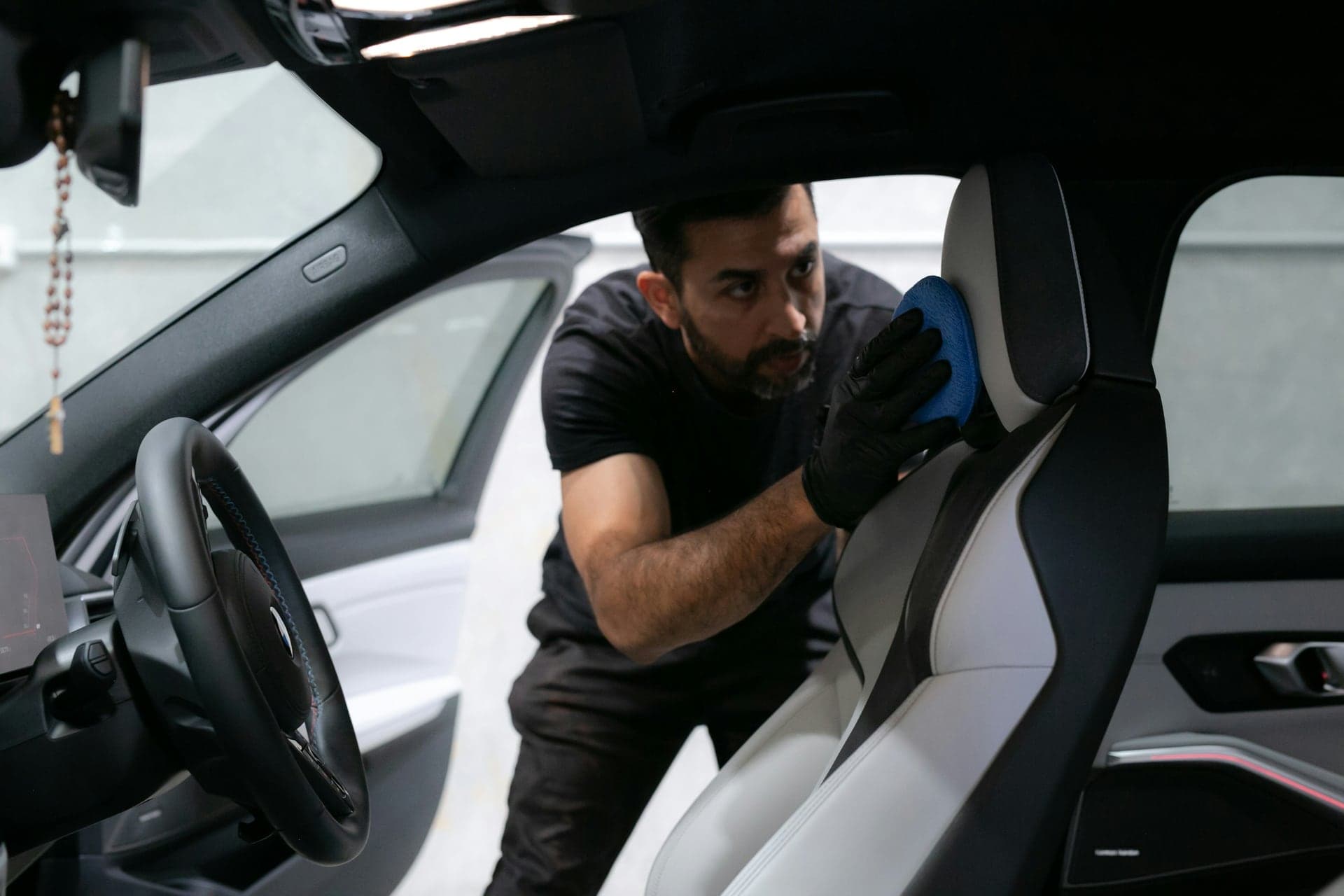
The single biggest risk in buying a used car is what you cannot see. A clean exterior tells you nothing about the gearbox, the chassis, or whether the odometer matches the wear. A pre-purchase inspection exists to close that gap — to turn a gamble into a decision based on facts.
Engine and drivetrain
We start cold. A cold start reveals smoke, rattles, and hard-starting that a warm engine hides. From there we check oil and coolant condition, look for leaks top and bottom, and inspect belts, hoses, and mounts. On the drivetrain we test gear engagement, clutch wear, fluid condition, and listen for differential and CV noise on the road test.
Brakes, suspension and steering
Pad and rotor wear, brake-line corrosion, handbrake operation, and any pull or pulse under braking all get checked. On suspension we look at shocks, struts, springs, bushes, and wheel bearings — the parts that quietly turn into a big bill six months after purchase.
Body, structure and history
Panel alignment and repainted-panel indicators reveal past accident repairs. Underbody rust and corrosion can be a deal-breaker on older cars. We photograph everything, so the report is evidence you can use — not just an opinion.
What you walk away with
A plain-English report with a pass, advisory, or fail verdict on every section, photos of every flagged issue, and a clear summary. Use it to walk away, negotiate the price down, or buy with confidence.